Why Rekeying Your Locks Is Essential: Insights from Professionals and Nearby Services You Can Count On!
Lock rekeying plays a vital role in enhancing home security. It is especially relevant after significant life events, like relocating or going through a separation. This method invalidates previously used keys, ensuring that unauthorized individuals cannot access your property. Understanding when and how to rekey your locks can greatly impact your safety. Yet, not all rekeying services are created equal. Selecting the appropriate service for your needs can truly change the outcome.
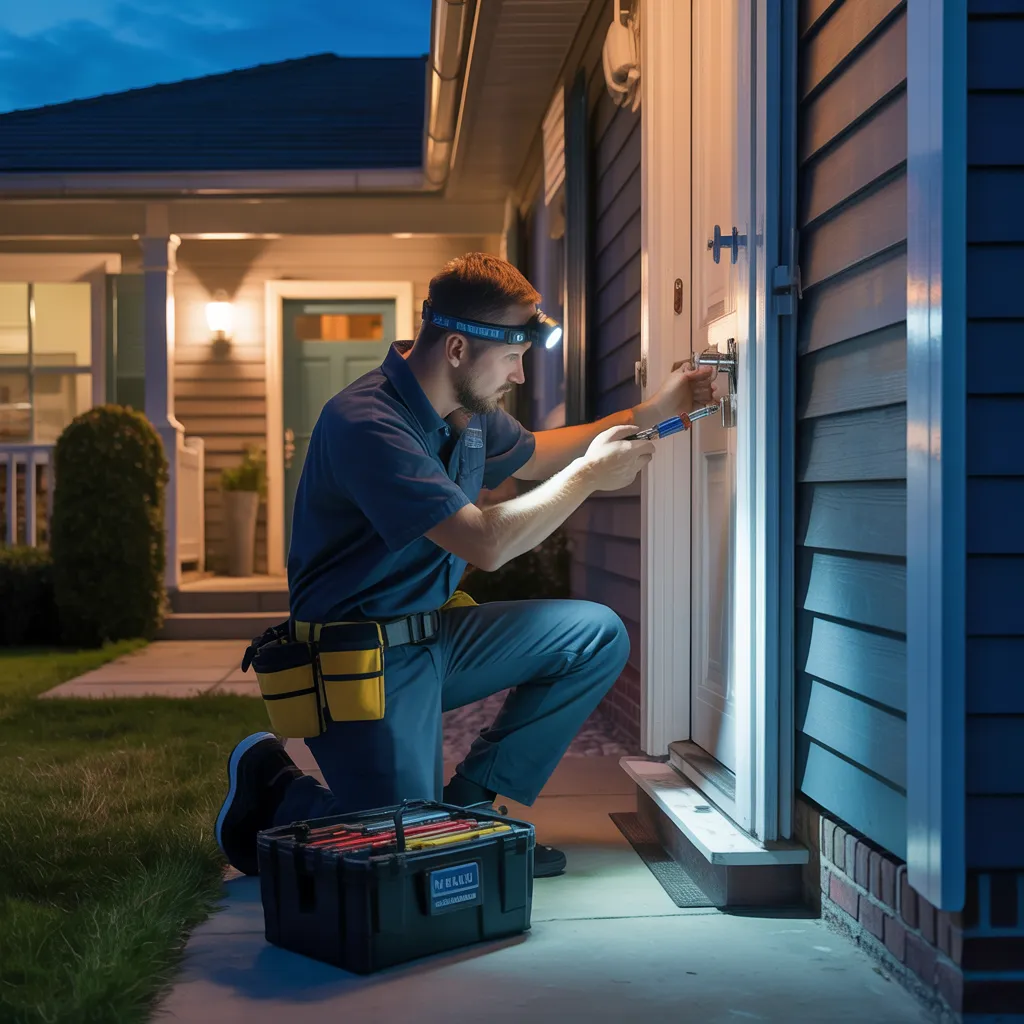
Why Rekeying Is Vital for the Safety of Your Home
Rekeying is crucial for enhancing a home's safety, especially when there are worries about access this information unwanted entry. This method includes modifying the internal components of a lock, rendering old keys useless while providing new keys that work seamlessly. Residents commonly face scenarios where prior keys might still be accessible, such as following a move or after misplacing a key. By completing the rekeying process, they confirm that only reliable individuals have entry to their residence.
Moreover, rekeying is a cost-effective alternative to replacing entire lock systems. It not only strengthens security but also offers peace of mind. Skilled locksmiths can efficiently complete this task, typically within one appointment. Periodic rekeying can serve as part of a homeowner's protective routine, responding to changes in household arrangements or security demands. Ultimately, prioritizing rekeying contributes considerably to a home's overall security strategy.
When You Should Consider Rekeying Your Locks
Homeowners should consider rekeying their locks in various situations to maintain security. One typical circumstance occurs when people move into a newly purchased home; former residents might still possess a working key. In the same way, following a divorce or separation, rekeying ensures that a former partner is unable to access the home. Additionally, if a key is lost or stolen, it poses a significant security risk, making rekeying a prudent choice.
When lockouts occur regularly or a lock mechanism begins to show signs of deterioration, rekeying can also be beneficial. Homeowners may want to rekey during routine security upgrades, especially if they have invested in new security technologies. Additionally, when there is worry about keys being copied without permission, rekeying delivers much-needed reassurance. By addressing these situations promptly, homeowners can improve their overall security measures and ensure their property remains well-protected.
Understanding How Rekeying Works: A Simple Overview
Changing the internal workings of a lock can significantly improve security without the need for a full replacement. Rekeying requires changing the lock's internal pins and springs to generate a new key that functions with the lock while rendering the old key useless. This process begins by taking apart the lock cylinder, where the current pins are taken out and substituted with new ones of varying lengths. Each individual pin matches a specific depth on the new key. Once reassembled, the lock can only be opened with the newly cut key. The complete procedure usually demands less time than installing a new lock and tends to be more budget-friendly. Additionally, rekeying allows homeowners to maintain their current locks while improving security, particularly after misplacing a key or relocating to a new residence. This approach offers reassurance without the cost and hassle of a full lock replacement.
How to Select the Best Rekeying Service
Choosing the best rekeying provider can greatly affect the effectiveness and reliability of the security enhancement. When choosing a service, it is critical to assess the company's credibility. Reading online reviews and seeking recommendations from reliable contacts can make it easier to locate dependable experts.
In addition, checking the qualifications and expertise of the locksmith is vital. A insured and licensed locksmith usually provides a greater standard of service. It can also be advantageous to inquire about the approaches and instruments they use, as modern methods can strengthen security.
Clear and upfront pricing is also a key consideration; a reputable service will provide clear estimates without hidden fees. Finally, assess the availability of the service. A professional who accommodates varied schedules can handle pressing needs in a timely manner. By considering these standards, homeowners can make a confident selection, guaranteeing their rekeying concerns are resolved thoroughly and reliably.
What You Can Expect When Paying for Rekeying
When assessing the expense of lock rekeying, homeowners should be informed about the various aspects that impact rates. These can include the complexity of the lock mechanism and the service providers in the area on offer. Knowing these aspects will help in making an educated choice and managing expectations about costs.
Breaking Down Rekeying Costs
Comprehending the pricing associated with rekeying locks is crucial for property owners who prioritize convenience and security. In most cases, rekeying services cost between $20 to $50 per lock, varying with the locksmith and geographic area. This fee may rise if multiple locks require service or if unique lock types require attention. Property owners should also factor in possible travel charges if the locksmith is required to cover a considerable distance. While some people may prefer DIY rekeying kits, working with a professional locksmith confirms the job is completed accurately and safely. In the end, relying on professional rekeying services not only improves safety but also delivers confidence, making it a worthwhile consideration for all residents.
Variables That Impact Pricing
Multiple elements affect the rekeying lock prices, making it essential for property owners to be aware of what to expect. First, the kind of lock plays a significant role; high-security locks often necessitate specific tools and professional skills, leading to higher costs. Moreover, the number of locks needing rekeying directly affects the final expense; multiple locks generally result in bulk discounts. Labor costs can fluctuate according to the provider and regional area, with urban areas typically charging more. Finally, if extra services, such as emergency or off-hours assistance, are needed, these can add to the overall cost. Residents should gather estimates and take these elements into account to plan financially for professional rekeying solutions.
Local Service Options
Regional service alternatives for re-keying locks can vary considerably, offering homeowners numerous options suited to their specific requirements. Numerous neighborhood locksmiths offer mobile services, enabling professionals to visit the home directly. This benefit commonly encompasses same-day appointments, which can be essential for urgent situations. Pricing may depend on the complexity of the locks and the quantity of keys necessary. Homeowners should expect transparent estimates before work begins, usually encompassing a detailed outline of work and supplies. It proves beneficial to review area testimonials and qualifications to guarantee reliability. Additionally, some hardware stores offer rekeying services as an alternative, which may be more budget-friendly for those comfortable with DIY projects.

Leading Local Rekeying Services Close to You
Finding reliable rekeying services can greatly enhance home security. Community locksmiths frequently offer tailored rekeying services that address diverse requirements, from domestic residences to commercial properties. It is essential to consider client feedback and ratings to find reliable experts.
Many towns have locksmiths available 24/7, ensuring quick access to rekeying services in urgent situations. Some reputable companies offer mobile services, enabling technicians to arrive at the customer's location promptly. Furthermore, local hardware stores may provide rekeying kits for homeowners who enjoy self-service solutions, though professional assistance is recommended for optimal outcomes.
In addition, community suggestions can result in identifying underrated experts that may not promote their services broadly. By evaluating options and seeking out qualified locksmith experts, property owners can ensure their rekeying demands are handled properly and thoroughly. Pursuing these actions can lead to better assurance about property security.
Common Questions and Answers
Can I Rekey My Own Locks, or Is It Better to Hire a Professional?
Rekeying a lock is something individuals with experience in the process can attempt, but working with a skilled expert provides assurance of proper execution and enhanced security. Balancing individual capability with the potential hazards involved typically yields superior results when an expert is consulted.
What Is the Typical Duration of the Rekeying Process?
The process of rekeying generally takes approximately 15 to 30 minutes per lock, depending on the lock's complexity and the expertise of the technician. A professional can guarantee accuracy and efficiency, minimizing potential issues during the procedure.
Will Having My Locks Rekeyed Void Any Existing Warranties?
Rekeying your locks typically does not affect warranties, as most manufacturers allow this process. However, it's advisable to review specific warranty terms or speak directly with the manufacturer to guarantee compliance and avoid unintentional issues.
What Tools Do Professionals Use for Rekeying Locks?
Experts commonly utilize tools including a rekey kit, precision screwdrivers, a pair of pliers, and a cylinder plug follower. These tools aid in breaking down the lock components, replacing pins, and confirming correct operation when the rekeying procedure is finished.
How Frequently Should I Think About Rekeying My Locks?
Security specialists suggest changing lock combinations periodically or immediately after key loss, moving into a new home, or facing a security incident. Routine lock rekeying improves security and confirms only authorized individuals have access to your property.